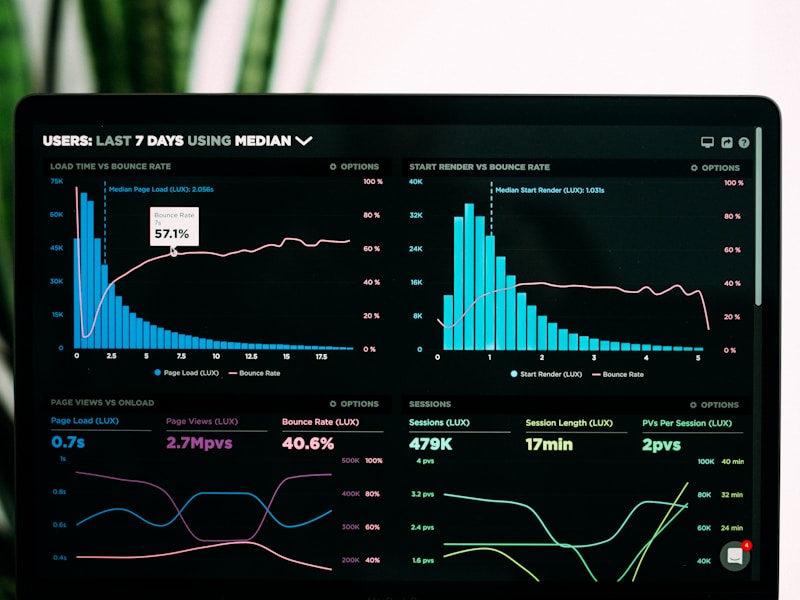
Understanding key metrics
These basic metrics provide a snapshot of your site's traffic and engagement. These metrics help you gauge how many people visit your site and how they engage with it.
- Sessions: Individual visits to your site
- Users: Unique visitors
- Pageviews: Total number of pages viewed
- Bounce rate: Percentage of single-page sessions
Audience overview report
This report reveals who your visitors are. You can see demographics like age, gender, and location, as well as interests and device types. This information helps you understand your target audience better and tailor your content and marketing efforts accordingly.
Acquisition reports
These reports show where your traffic comes from. Understanding your traffic sources helps allocate marketing budgets effectively and identify which channels provide the best return on investment.
- Organic search
- Direct traffic
- Social media
- Referrals
- Paid ads
Behavior reports
Behavior reports analyze what visitors do on your site. The Site Content report shows which pages are most popular, while the Behavior Flow visualizes how users navigate through your site. Identifying popular pages and common navigation paths helps optimize your site structure and content strategy.
Conversion tracking
Conversion tracking measures business success. Set up goals or events to track specific actions. Conversions represent completed actions that align with your business objectives, allowing you to measure the effectiveness of your marketing efforts.
- Form submissions
- Purchases
- Newsletter sign-ups
- Phone calls
Real-time reports
Real-time reports show what's happening on your site right now. This is useful for monitoring campaigns, testing changes, or understanding immediate user behavior. While real-time data is interesting, most analysis should focus on historical data for more accurate insights.
Custom reports and dashboards
Custom reports and dashboards help you focus on metrics that matter most to your business. This customization makes analytics more actionable for your specific business.
- Create reports tailored to your specific needs
- Save time tracking key performance indicators
- Build dashboards for at-a-glance views
Segmentation for deeper insights
Segmentation divides your audience into groups for deeper analysis. You can create segments based on demographics, behavior, traffic sources, or custom criteria. Analyzing segments separately reveals insights that might be hidden in aggregate data, helping you understand different user groups better.
Regular monitoring creates actionable insights
Set aside time weekly or monthly to review your analytics, identify trends, and make data-driven decisions. Look for patterns, anomalies, and opportunities to improve your website and marketing strategies. Consistent monitoring turns raw data into business intelligence you can act on.
Use analytics for improvement, not just reporting
Google Analytics is a tool for learning and making better decisions. Use the insights gained to optimize your website, refine your content strategy, improve user experience, and make informed marketing decisions. With consistent use and analysis, Google Analytics becomes an indispensable part of your digital marketing toolkit.